OneClickLayout
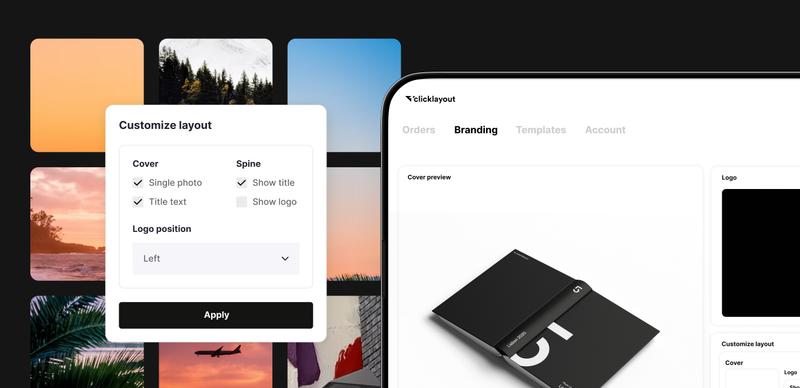
Plug-and-play SaaS for turning user content into printed photobooks
Built with Peecho, OneClickLayout lets content-heavy platforms turn user-generated content into print-ready photobooks without building a print pipeline of their own: automated layout generation and a hybrid templating engine, with orders routed through Peecho's global print network.
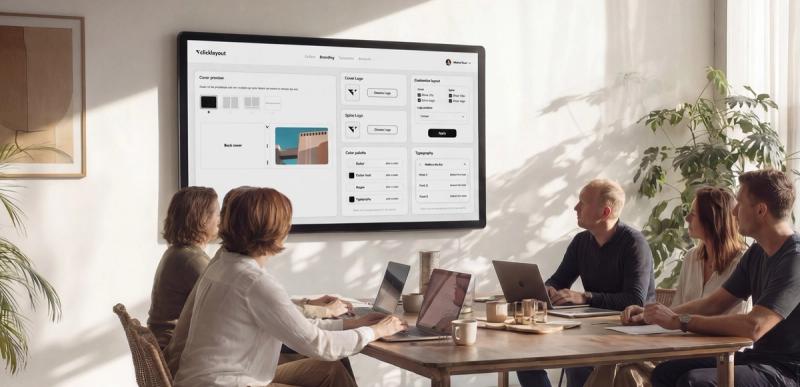
Platforms and apps sit on oceans of user generated content. Photos, designs, recipes, travel logs, community posts. All powerful raw material, but rarely converted into something users will pay for. The demand for photobooks is huge, yet most platforms either rely on clunky third party tools or avoid it completely because building a good solution in house is complex and expensive.
Peecho saw this gap first. As a digital to print specialist, they worked with content rich platforms that were leaving money on the table. The potential was clear. A platform that could offer users a seamless way to turn their digital memories into beautiful photobooks would create a new revenue stream and deepen engagement at the same time.
Together with Peecho, we built OneClickLayout. A plug and play SaaS product that lets platforms transform user generated content into print ready photobooks with minimal effort. It handles layout generation, templating, and print readiness behind the scenes, while offering a simple “drag, drop, done” experience for end users.
What started as an internal idea inside Peecho quickly grew into a standalone SaaS product that helps platforms bridge the gap between digital content and physical products.
Strategic objectives
Monetize user generated content at scale
Turn existing content into photobooks that generate new, recurring revenue.
Make integration effortless for platforms
Offer a plug and play SaaS product instead of another complex custom build.
Deliver a seamless user experience
Give users a simple, fast way to turn memories into tangible photobooks.
Balance customization with simplicity
Provide enough flexibility for platforms without introducing technical or UX complexity.
Build a product ready to spin out and scale
Create a SaaS foundation that can live beyond a single client and grow independently.
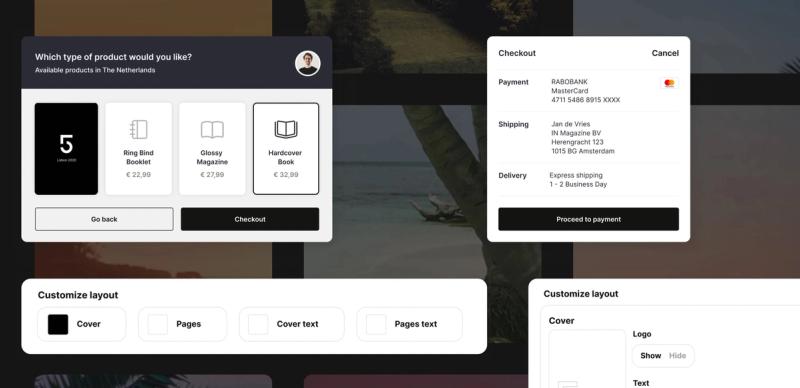
Most prominent features
Plug and play SaaS integration
Platforms can add photobook creation without heavy custom development.
Drag and drop book creation
Users can assemble photobooks quickly with a simple, visual flow.
Hybrid templating engine
Combines standardized building blocks with customizable elements for flexible, controlled layouts.
Print ready layout generation
Outputs designs that match the requirements of Peecho’s global print network.
Automated layout suggestions
Generates optimized page compositions using the user’s uploaded content.
Flexible template library
A set of ready to use templates tailored to the platform’s content style.
Live editing, instant preview
Users see their photobook update instantly as they make changes.
Order handling through Peecho
Allows instant printing and global delivery using Peecho’s print network.
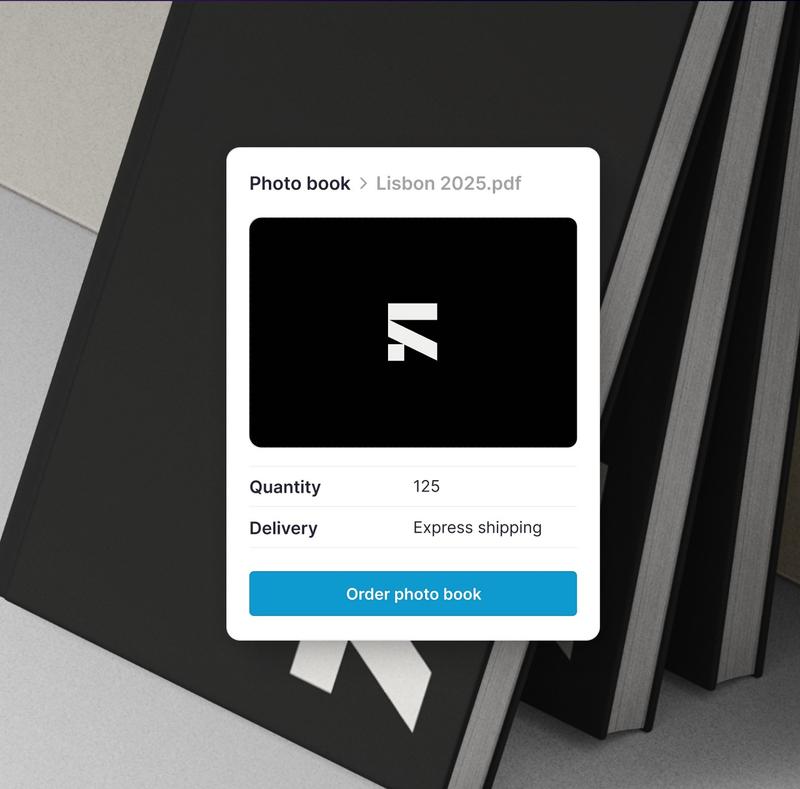
How OneClickLayout turned an internal idea into a standalone revenue generating SaaS product
Platforms can earn from user generated content without building their own print solution.
Faster time to market for photobook offerings as platforms plug in a ready product and can start selling right away.
Strong demand and adoption led OneClickLayout to evolve from internal project to independent SaaS.
Product Development Process
OneClickLayout started with a clear observation from Peecho. Their customers had huge volumes of user generated content but no simple way to turn that into print products. Some tried building in house tools and got stuck in complexity. Others did nothing and left revenue untouched.
Together, we turned that insight into a concrete product idea. The first goal was simple. Build a basic tool that lets platforms assemble photobooks from user content without friction. We created an MVP focused only on the core flow. Plug into a platform, pull content, apply layouts, and generate something that looks great in print.
We validated the concept with platforms already working with Peecho. Early demos surfaced clear patterns. Platforms wanted minimal technical effort and reliable layouts. Users wanted speed and simplicity. Drag, drop, done. That feedback led us to refine the product around automation and ease of integration rather than endless customization.
As interest grew, we evolved OneClickLayout from an internal initiative into a full product. We shaped the roadmap around two questions. Does this make integration easier for platforms. Does this make creation smoother for users. Features that did not serve those goals were removed. What worked was hardened and prepared for scale.
In the end, OneClickLayout became a proven, standalone SaaS product that platforms could adopt quickly to monetize content and delight their users with high quality photobooks.
Technical Approach
We designed OneClickLayout as a modern SaaS platform focused on speed, scalability, and layout quality. The backend is built in Node.js with an event driven architecture that can handle high volumes of content ingestion and photobook generation.
On the frontend, we used React to create a smooth, responsive interface for both platform integrations and end user flows. CSS Grid powers the layout system, ensuring that photobook compositions are flexible and render cleanly across devices while still matching strict print constraints.
A key technical component is the hybrid templating engine. It combines reusable layout blocks with configurable elements, which gives platforms room to express their brand while keeping the system maintainable and predictable. This approach avoids the pitfalls of fully custom layouts while still feeling tailored.
We used Google Puppeteer for automated end to end testing. This allowed us to simulate real user flows, catch regressions early, and keep confidence high as we shipped new versions and prepared the product for spin out.
The result is a robust SaaS foundation that can support multiple platforms, new template sets, and future feature development without destabilizing the core.
Methodology
We built OneClickLayout in tight collaboration with Peecho and their platform partners. The methodology was simple. Start with the smallest version that could prove value, then let real feedback shape everything that followed.
The first step was a lean MVP. No extra features, no complex configuration, only the essential flow from content to photobook. We then took this into real conversations with platforms and watched how they reacted. Where they hesitated, we removed friction. Where they leaned in, we doubled down.
Each iteration was driven by live input from platforms and end users. Some partners wanted more control over templates. Others prioritized zero technical effort. Users consistently asked for speed and a simple creation process. This mix of feedback led directly to the hybrid templating engine and the focus on plug and play integration.
We kept the team focused on a few core questions. Does this change make it easier to integrate. Does it make photobook creation faster and smoother. Does it help OneClickLayout stand on its own as a SaaS product. If not, it did not make the cut.
This approach kept the product lean, practical, and tightly aligned with market demand, which is what ultimately enabled OneClickLayout to spin out as its own venture.
Conclusion
OneClickLayout shows what happens when a clear market gap is combined with focused execution. By helping platforms turn user generated content into high quality photobooks through a plug and play SaaS product, it unlocks new revenue while giving users something tangible and meaningful.
The product moves value in two directions at once. Platforms gain a simple way to monetize existing content. Users get frictionless access to print products that preserve their memories. Behind that experience sits a modern, scalable system shaped by real feedback and built to operate as a standalone SaaS business.
It started as an internal idea at Peecho. It now lives as its own product, reshaping how platforms think about the business potential of user generated content.
A familiar situation?
Every engagement starts with an assessment of the existing platform, the data, and the processes around it. The first conversation about it is free of charge and without obligation.
Book a meeting